

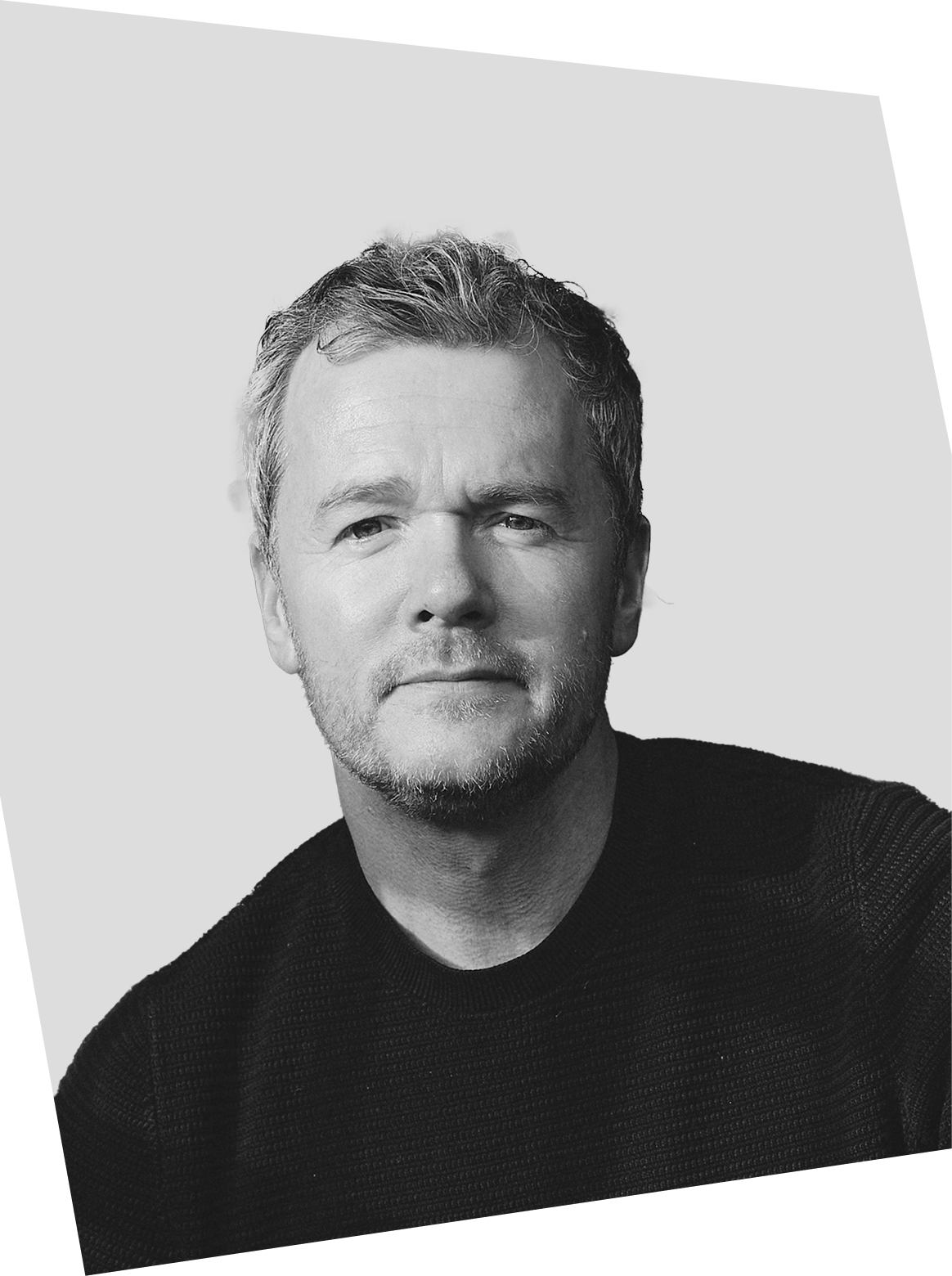
Arthur Potts Dawson is one of Europe’s most influential chefs and strategists for sustainable food systems, with nearly four decades of experience in transforming the way food is grown, prepared, served, and consumed.
A Michelin-starred chef, author, and pioneer of sustainable gastronomy, Arthur is known as the original “Green Chef” - one of the first to embed the principles of the circular economy, ethical sourcing, and ESG strategies into the core of the food industry.
He has worked in top restaurants and global food companies, and today advises international brands such as IKEA, Unilever, Kellogg's, and Kerry Group on developing more resilient, nutrient-rich, and low-carbon food models.
He is the founder of London-based restaurants Acorn House and Water House, the city’s first fully sustainable restaurants, which set new standards for closed-loop systems, waste reduction, and energy efficiency.
Arthur is globally recognized as a leading voice in sustainable food and serves as a Chef Advocate for the World Food Programme, part of the team awarded the Nobel Peace Prize.

What are we really choosing when we choose food? Just taste, or an entire system of values behind it? From local markets to global cuisines, food today speaks about identity, responsibility, and the way we shape the future.
This talk opens questions that go beyond recipes. Why is authentic and local no longer a trend, but a necessity? How are chefs around the world, through the Chefs’ Manifesto, turning kitchens into platforms for change? And what does it mean to think about food through the principles of the circular economy? Because every ingredient has its own journey, and the way we choose, use, and value it reveals the kind of system we truly want.
Through experiences from a global network of chefs and initiatives emerging at the intersection of gastronomy, food policy, and business, this keynote brings concrete examples of how zero-waste practices and circular models are already being applied today. From sourcing and menu design to the ways restaurants collaborate with local producers and communities.
What does it actually mean, in practice, to be a UN food ambassador? It means connecting people, sharing knowledge, and building a system in which the best ideas do not remain isolated projects, but become the new standard of the industry.
